

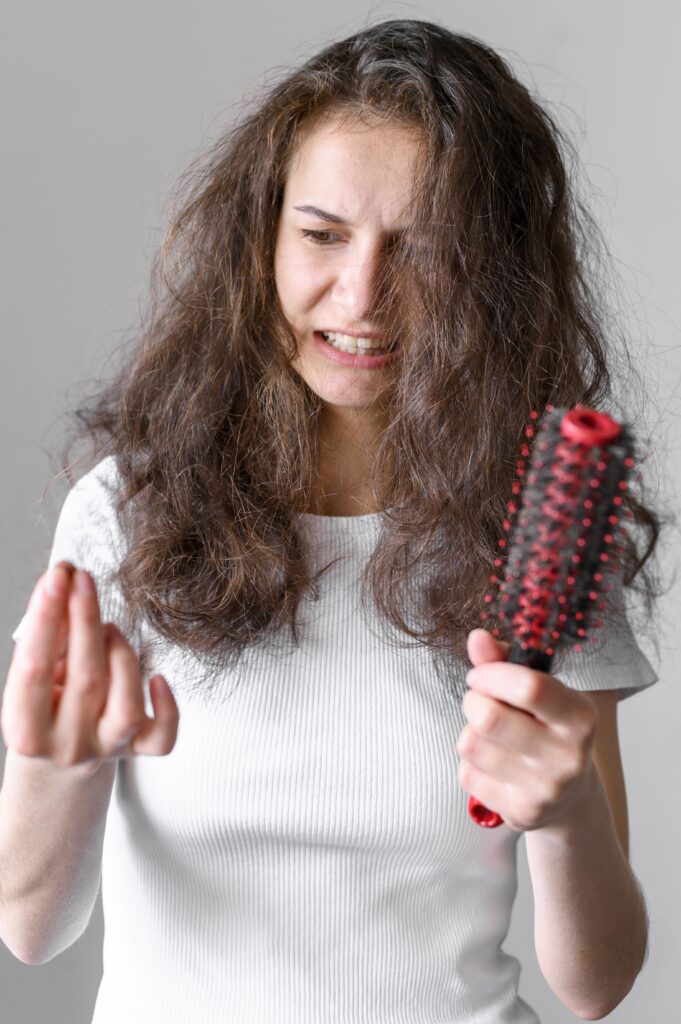
Does your hairbrush look fuller every time the rain starts? You are not imagining it. Hair fall often feels more noticeable during monsoon because humidity, sweat, rainwater and scalp buildup change the way your hair behaves. The scalp may become oily faster, while the hair lengths become rough, frizzy and more prone to breakage.
The good news is that monsoon hair fall can be controlled with a simple, consistent routine. You do not need to panic or use every hair product you see online. You need a clean scalp, balanced moisture, gentle styling and the right professional guidance. At Bellance Salon, the focus is on helping your hair stay healthy, polished and manageable even when the weather is humid.
Why Hair Fall Increases During Monsoon
Monsoon does not always create a new hair fall problem. Often, it exposes existing scalp and hair weaknesses. A small amount of daily shedding is normal, but sudden clumps, visible thinning, severe dandruff or an itchy scalp need attention. Here are the main reasons hair fall in monsoon becomes more visible.
1. Humidity Makes Hair Weak and Frizzy
Humidity allows hair to absorb excess moisture from the air. This lifts the outer cuticle, making strands rough, tangled, and easier to snap while combing. Many people confuse breakage with hair fall because both appear on the brush or bathroom floor. If the strands are short and uneven, it is usually breakage. If they are full length, it may be natural shedding.
2. Sweat and Oil Build-Up on the Scalp
During the rainy season, the scalp can become sticky because of sweat, oil, pollution, and product residue. When buildup remains for too long, the scalp feels heavy, and roots may appear weaker. Washing too little can worsen buildup, while washing too harshly can irritate the scalp. The right balance is important.
3. Damp Hair Breaks More Easily
Hair is most fragile when it is wet. In the monsoon, hair often stays damp for longer due to humidity and repeated rain exposure. Tying wet hair tightly, sleeping with a damp scalp, or brushing aggressively can increase breakage. Always dry your scalp properly before tying your hair.
4. Dandruff and Scalp Irritation Can Flare Up
Warm and moist weather can make dandruff, itching, and fungal concerns more common. If your scalp is flaky, red, painful or constantly itchy, hair fall may be connected to scalp inflammation. A healthy scalp is the foundation of strong hair, so do not ignore discomfort.
How to Control Hair Fall During Monsoon
The best monsoon hair care routine is not complicated. It should keep the scalp clean, protect the hair shaft and reduce unnecessary stress on the roots.
Cleanse Your Scalp Regularly
Wash your hair two to three times a week, or more often if your scalp becomes oily quickly. Choose a mild shampoo that suits your scalp type. If you get drenched in rain, rinse your hair with clean water as soon as possible. If the scalp feels sticky or itchy, use a gentle shampoo instead of leaving rainwater to dry on your hair.
Condition the Lengths Every Time
Skipping conditioner is a common monsoon mistake. Conditioner helps smooth the cuticle, reduce tangles and control frizz. Apply it only from mid lengths to ends, not directly on the scalp. If your hair is colored, smoothened, chemically treated or heat styled, add a nourishing hair mask once a week.
Comb Gently and Avoid Tight Hairstyles
Use a wide tooth comb and detangle from the ends upward. Do not pull through knots. Tight ponytails, buns and braids can put pressure on the roots, especially when hair is damp. Loose hairstyles are better during monsoon. A soft towel or microfiber towel also helps reduce friction after washing.
Reduce Heat Styling
Straighteners, curling tools, and high-heat blow-drying can make already stressed hair more fragile. If you need styling, use heat protection and moderate temperature. For a salon finish, ask for a frizz control style that keeps hair smooth without making it heavy.
Support Hair Health From Within
Hair care is not only external. Protein, iron, zinc, vitamins and hydration support healthy hair growth. Add protein rich foods, nuts, seeds, leafy greens and seasonal fruits to your meals. If your hair fall is sudden or severe, it may be linked to stress, hormonal changes, illness or nutritional deficiency, so medical advice is important.
When Professional Hair Care Helps
Home care is useful for daily maintenance, but professional salon care can help when hair feels extremely frizzy, dull, dry or unmanageable. At Bellance Salon, a stylist can assess your scalp type, hair texture, chemical history and styling routine before suggesting a suitable service. Some clients need scalp cleansing, some need hydration, and some need damage repair. The right salon hair treatment for hair fall should be personalized, not random.
When Should You Worry?
Pay attention if hair fall continues beyond the season, if your ponytail volume suddenly reduces, if you notice bald patches, or if your scalp is painful, red or itchy. Seasonal shedding and weather-related breakage often improve with care, but persistent hair loss needs proper evaluation.
Conclusion
Monsoon hair fall is common, but it can be managed. The main causes include humidity, sweat, scalp buildup, damp hair, dandruff and breakage. A balanced routine with regular cleansing, conditioning, gentle combing, reduced heat styling and timely salon guidance can make a visible difference.
If your hair feels weak, frizzy or difficult to manage this rainy season, Bellance Salon can help you choose the right care plan for healthier, smoother and more confident hair.
FAQs on Monsoon Hair Fall
Mild increase in shedding or breakage can happen during monsoon because of humidity, sweat and scalp buildup. Heavy hair fall, bald patches or scalp pain should be checked by a professional.
Most people can wash two to three times a week. If your scalp becomes oily or sweaty quickly, gentle cleansing more often may help.
Oiling can help dryness and manageability, but it cannot solve every type of hair fall. Avoid heavy oiling if your scalp is oily, itchy or flaky.
Yes. Conditioner helps reduce tangles, frizz and breakage. Apply it only on the mid lengths and ends.
It depends on your hair and scalp condition. Bellance Salon may recommend scalp cleansing, hydration, anti frizz care or damage repair after consultation.