

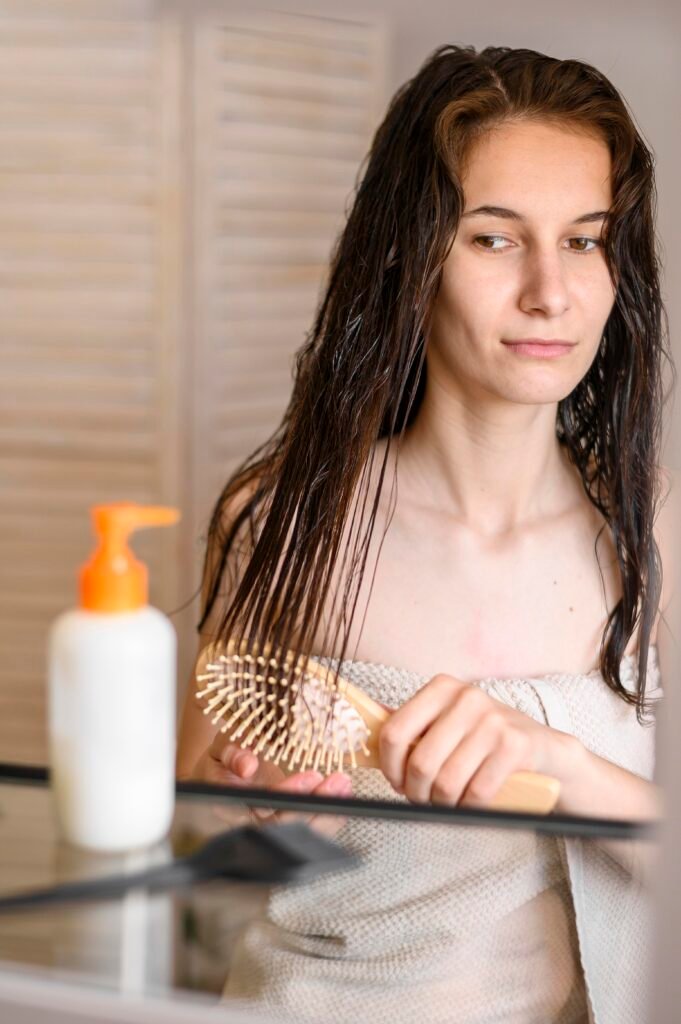
You step out with freshly styled, silky hair, and within minutes the weather starts doing what it does best. The roots swell, the ends turn fluffy, and the smooth finish you loved after your hair smoothening or keratin treatment begins to feel less polished. Humid weather can be frustrating, especially when you have invested time and money into salon-treated hair. The good news is that your results do not have to disappear with the first wave of moisture. With the right aftercare routine, product choices, washing habits, and salon touch-ups, you can maintain hair smoothening and keratin results for longer, even when the climate feels sticky, rainy, or unpredictable.
At Bellance Salon, we often meet clients who love the shine, softness, and manageability of smoothened or keratin-treated hair but are unsure how to protect it in Indian humidity. This guide explains exactly what to do after your treatment, what to avoid, and how to keep your hair frizz-free, glossy, and easy to style for weeks.
Why Humid Weather Affects Smoothened and Keratin-Treated Hair
Humidity is basically moisture in the air. When your hair absorbs that moisture, the hair cuticle can swell and lift, which leads to frizz, roughness, puffiness, and loss of shape. Hair that is naturally wavy, curly, dry, chemically treated, or porous tends to react faster because it absorbs moisture more easily.
Hair smoothening and keratin treatments work by improving the outer structure of the hair, reducing frizz, adding shine, and making the hair easier to manage. However, these results need support after the salon appointment. If the hair is washed too often, exposed to harsh shampoos, tied tightly when damp, or styled without heat protection, the coating and smooth finish may fade sooner than expected.
Start With the First 72 Hours After Treatment
The first few days after a smoothening or keratin service are extremely important. Your stylist may give you specific instructions based on the treatment used, and those instructions should always come first. In general, avoid washing your hair too early, avoid tying it tightly, and avoid activities that create excessive sweat or moisture around the scalp.
During this period, keep your hair dry and straight as much as possible. Do not clip it tightly, tuck it behind the ears for long hours, or sleep with wet hair. These small habits matter because the treatment needs time to settle properly. If your hair accidentally gets wet, gently blow-dry it on a low to medium setting and use a brush to keep it smooth.
Use a Sulfate-Free Shampoo and Conditioner
One of the most important keratin treatment aftercare rules is to switch to a sulfate-free shampoo. Sulfates are strong cleansing agents that can strip natural oils and may reduce the life of salon treatments. In humid weather, hair already struggles with moisture imbalance, so harsh cleansing can make it drier, rougher, and more frizz-prone.
Choose a shampoo and conditioner designed for chemically treated, frizz-control, or keratin-safe hair. Focus the shampoo on your scalp and let the foam lightly cleanse the lengths. Apply conditioner from mid-lengths to ends and leave it on for a few minutes before rinsing. This helps seal the cuticle and keeps the hair smoother after every wash.
Do Not Overwash Your Hair
In humid weather, sweat and oil can make you feel like washing your hair every day. However, overwashing can shorten the life of smoothening and keratin results. Try to wash your hair two to three times a week unless your scalp genuinely needs more frequent cleansing. On non-wash days, use a lightweight dry shampoo at the roots if required.
If your scalp gets oily quickly, avoid applying heavy serums or conditioners near the roots. Keep nourishing products mainly on the lengths and ends. This keeps the scalp fresh without making the hair flat or greasy.
Always Dry Your Hair Properly
Leaving treated hair damp for too long is one of the fastest ways to invite frizz. Humidity works harder on wet or semi-dry hair because the cuticle remains open and vulnerable. After washing, gently squeeze out excess water with a soft towel or microfiber towel. Avoid rough towel rubbing, as it can disturb the cuticle and create frizz.
Use a blow-dryer on a comfortable heat setting and direct the air downward from roots to ends. This helps the hair shaft lie flat and gives a smoother finish. If you prefer air-drying, let your hair dry in a clean, open style without twisting it into a bun or leaving it tucked under a towel for too long.
Apply a Lightweight Anti-Frizz Serum
A good anti-frizz serum can make a noticeable difference in humid weather. It creates a protective layer over the hair and helps prevent moisture from entering the strand too quickly. Apply a small amount on damp hair before drying, then use a tiny amount again on dry ends if needed.
The key is to use less product, not more. Too much serum can make hair look oily and heavy. For smoothened or keratin-treated hair, the goal is controlled shine, not a greasy coating. Ask your Bellance Salon stylist to recommend a serum based on your hair density, scalp type, and treatment history.
Protect Your Hair From Heat and Sweat
Heat styling is not completely off-limits after smoothening or keratin, but it should be done carefully. Always use a heat protectant before using a straightener, curler, or blow-dryer. Excessive heat can dry out the hair and reduce the silky finish over time.
Sweat is another common issue during humid weather. After workouts or long outdoor hours, allow your scalp to cool and dry. Do not tie sweaty hair tightly for long periods. Use a wide-tooth comb to gently detangle and refresh the lengths. If needed, blow-dry the roots lightly to remove dampness.
Sleep Smart to Reduce Frizz
Night-time care can extend the life of your treatment. Sleep on a silk or satin pillowcase to reduce friction while you move. Cotton pillowcases can absorb moisture and create roughness, especially around the ends. Before sleeping, detangle your hair gently and keep it loose or in a very soft low ponytail.
Never sleep with wet hair after a keratin or smoothening treatment. Wet hair is more fragile, and friction during sleep can create bends, frizz, and breakage. A few minutes of drying before bed can save you a lot of styling effort the next morning.
Avoid Heavy Oils and Clarifying Shampoos
Oil can be beneficial for some hair types, but heavy oiling after smoothening or keratin treatment should be done carefully. Thick oils may require stronger shampooing to remove, which can weaken treatment results faster. Similarly, clarifying shampoos, anti-dandruff shampoos, and strong cleansing formulas can strip the treatment coating.
If your scalp needs treatment for dandruff, itching, or oiliness, consult your stylist before choosing products. The right recommendation can protect both scalp health and the longevity of your salon result.
Schedule Maintenance Touch-Ups at the Right Time
Even with perfect aftercare, smoothening and keratin results gradually fade as new hair grows and the treated lengths go through regular washing and styling. A salon maintenance appointment helps restore shine, manage frizz, trim dry ends, and review your home-care routine.
If you live in a highly humid city or travel often, a professional hair spa, bond-repair treatment, or gloss service may help maintain smoothness between major treatments. Bellance Salon can assess your hair condition and suggest the right maintenance plan instead of pushing unnecessary repeat services.
Quick Humidity Hair Care Checklist
- Use sulfate-free shampoo and conditioner.
- Wash only when needed, ideally two to three times a week.
- Dry your hair fully after every wash.
- Use a lightweight anti-frizz serum on lengths and ends.
- Apply heat protectant before styling.
- Avoid tight hairstyles on damp or sweaty hair.
- Sleep on a silk or satin pillowcase.
- Book salon maintenance before the hair becomes extremely rough or dry.
Final Thoughts
Maintaining hair smoothening and keratin results in humid weather is not about doing complicated things. It is about being consistent with small, correct habits. The right shampoo, proper drying, lightweight frizz control, heat protection, and regular salon guidance can help your hair stay smoother, shinier, and easier to manage for longer.
If your hair becomes frizzy too soon after a treatment, it may not always mean the treatment failed. Your hair may need better aftercare, moisture balance, or a customized maintenance plan. Visit Bellance Salon for a professional hair consultation and let our experts help you protect your smooth, salon-finished look through every season.
FAQs
With proper aftercare, smoothing and keratin results can last several weeks to a few months, depending on hair type, product usage, washing frequency, and weather exposure. Humidity may reduce longevity if the hair is not protected with the right routine.
You can oil your hair only if your stylist recommends it, but avoid heavy oiling too frequently. Heavy oils often need strong shampooing, which may reduce the life of keratin or smoothing results.
A sulfate-free, gentle shampoo made for chemically treated or keratin-safe hair is usually best. Avoid clarifying shampoos unless your stylist specifically advises them.
Frizz can return because of humidity, overwashing, harsh shampoo, rough towel drying, heat damage, sleeping with wet hair, or natural regrowth. A salon consultation can identify the exact reason.
Avoid tight hairstyles during the first few days after treatment. Later, you can tie your hair gently, but avoid tight buns or ponytails when the hair is wet, sweaty, or freshly washed.
Yes, keratin treatment can be a good option for frizzy hair because it improves manageability, softness, and shine. The final result depends on your hair type and the quality of aftercare.