
A salon appointment is booked with excitement. You picture fresh hair, glowing skin, polished nails, and that instant confidence boost. But before choosing a salon only because of offers, interiors, or Instagram photos, every client should check one non negotiable factor: hygiene.
In a salon, cleanliness directly affects your skin, scalp, hair, nails, and overall comfort. Towels, combs, facial tools, nail equipment, brushes, capes, and treatment beds come in close contact with you. That is why proper salon hygiene standards are not a luxury detail; they are the foundation of a safe, premium experience at a luxury salon in India.
This blog is a practical salon hygiene checklist for anyone planning a haircut, hair colour, facial, manicure, pedicure, waxing, makeup, or skin care service. Use it before booking your next appointment so you can choose a salon with confidence, not doubt.
Why salon hygiene matters
Salons serve multiple clients every day, so tools and service areas are used repeatedly. Without proper sanitisation, touchpoints can collect oil, dust, product residue, bacteria, fungal particles, or irritants. This can lead to discomfort, breakouts, scalp irritation, nail concerns, or skin redness after a service.
Good hygiene at a bellance beauty salon shows that the team respects your health as much as your final look. A clean salon is usually more disciplined, better trained, and more client focused. Asking about hygiene is not being difficult; it is being aware.
1. Check the overall cleanliness first
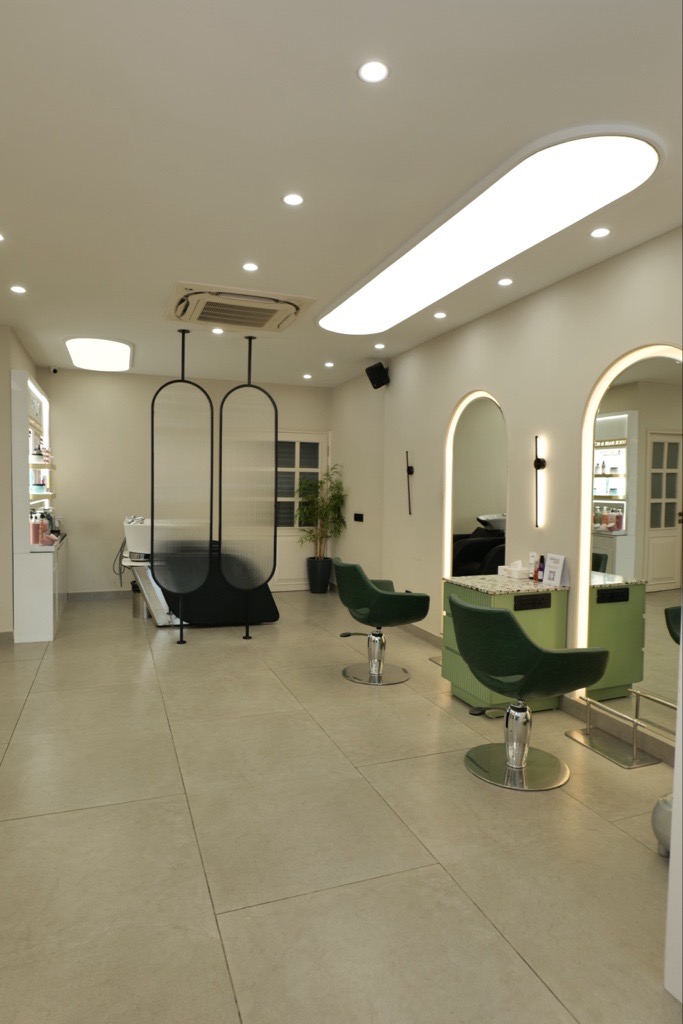
Your first impression matters. Look at the reception area, floors, mirrors, waiting chairs, wash basins, service stations, and treatment rooms. A clean salon should feel fresh, organised, and professionally maintained. Dusty corners, overflowing bins, stained towels, scattered tools, or product build up around stations are warning signs.
A good salon maintains cleanliness throughout the day, not only before opening.
2. Tools should be sanitised before every client
Tool hygiene is one of the most important salon safety standards. Combs, scissors, razors, tweezers, facial tools, nail tools, brushes, and sectioning clips should be cleaned or disinfected before use. Disposable items such as wax strips, spatulas, tissues, nail files, and certain applicators should not be reused.
Observe whether tools are taken from clean storage or casually reused from a previous service.
3. Towels, capes, and linens must be fresh
Fresh towels, clean capes, and washed linens are basic hygiene requirements. They touch the neck, shoulders, hair, skin, and sometimes the face. For hair wash, facial, clean up, spa, waxing, manicure, and pedicure services, fresh linen should be used for every client.
Damp towels or repeatedly used cloths are red flags.
4. Workstations should be reset after each service
A clean workstation tells you how disciplined the salon is. Hair strands, nail dust, colour stains, used cotton, product spills, and open tools should be cleared before the next client sits down. The chair, counter, mirror area, trolley, and equipment should look ready, not rushed.
5. Staff hygiene and grooming matter
Salon hygiene also depends on the professionals performing the service. Clean uniforms, neat hair, washed hands, tidy nails, and professional grooming are important signs of care. For services involving the face, skin, waxing, nails, or hair colour, staff should clean their hands before starting and use gloves where needed.
6. Product handling should look hygienic
Clients often check product brands but forget to notice product handling. Open jars, creams, makeup palettes, brushes, sponges, and applicators should be used carefully. Products should not be dipped into with unclean hands. Spatulas, pumps, disposable applicators, or clean brushes should be used wherever required.
This protects your skin and improves service quality.
7. Manicure and pedicure areas need extra attention
Nail services require careful hygiene because nails, cuticles, and surrounding skin can be sensitive. Before a manicure or pedicure, check whether the bowl, foot spa, towels, files, buffers, and tools are clean. Used nail dust should be removed, and the station should not look messy.
If cuticle work or callus care is included, tools must be sanitised.
8. Skin and facial rooms should feel safe and fresh
Facials, clean ups, de tan treatments, waxing, threading, and advanced skin care services involve close contact with the face and body. Treatment beds should have fresh sheets or disposable covers. Headbands, towels, bowls, brushes, steamers, and facial tools should be clean before the service begins.
If you have sensitive or acne prone skin, this becomes even more important.
9. Ventilation should be comfortable
A salon may look premium, but it should also feel breathable. Hair colour, bleach, sprays, nail products, and treatment chemicals can create strong smells. Proper ventilation helps maintain comfort, especially during long services.
A mild, fresh ambience is usually a good sign.
10. Ask simple hygiene questions before booking
A reliable salon will communicate its hygiene practices clearly. Before booking, you can ask: Are tools sanitised before each client? Are towels fresh? Are nail tools disinfected? Are treatment beds cleaned between appointments? A professional salon will answer confidently and respectfully.
Hygiene should be visible in the salon’s process, not hidden behind words.
How Bellance Salon builds trust through hygiene focused care
At Bellance Salon, the goal is to create a beauty experience that feels premium, comfortable, and responsible. As a luxury unisex salon, Bellance provides hair, skin, makeup, and nail services while maintaining clean service stations, fresh linens, trained professionals, organised tools, and careful product handling.
Final thoughts
The next time you search for a salon near you, do not look only at prices and pictures. Look for hygiene.
Use this salon hygiene checklist before booking your next appointment. The right salon will already have the answers ready.
FAQs: Salon Hygiene Standards Before Booking
1. What hygiene standards should I check before booking a salon? Check for fresh towels, sanitised tools, clean workstations, hygienic product handling, trained staff, and properly cleaned treatment areas.
2. Why is salon hygiene important for hair and skin services? Hair and skin services involve close contact with your scalp, face, neck, and body. Good hygiene reduces the chances of irritation, discomfort, breakouts, or infection.
3. Should nail tools be sanitised before every manicure or pedicure? Yes. Nail tools should be cleaned and disinfected before use. Disposable items such as certain files, buffers, and applicators should ideally be used once only.
4. Is it okay to ask a salon about its cleaning process? Absolutely. A professional salon should be comfortable answering questions about sanitisation, fresh towels, product handling, and tool hygiene.
5. What are the biggest red flags in salon hygiene? Red flags include reused disposable tools, stained towels, messy stations, unclean foot spas, careless product handling, unpleasant odours, and staff starting a service without cleaning the area or tools.